Upsizers
Is Milton or Burlington the right fit for more space?
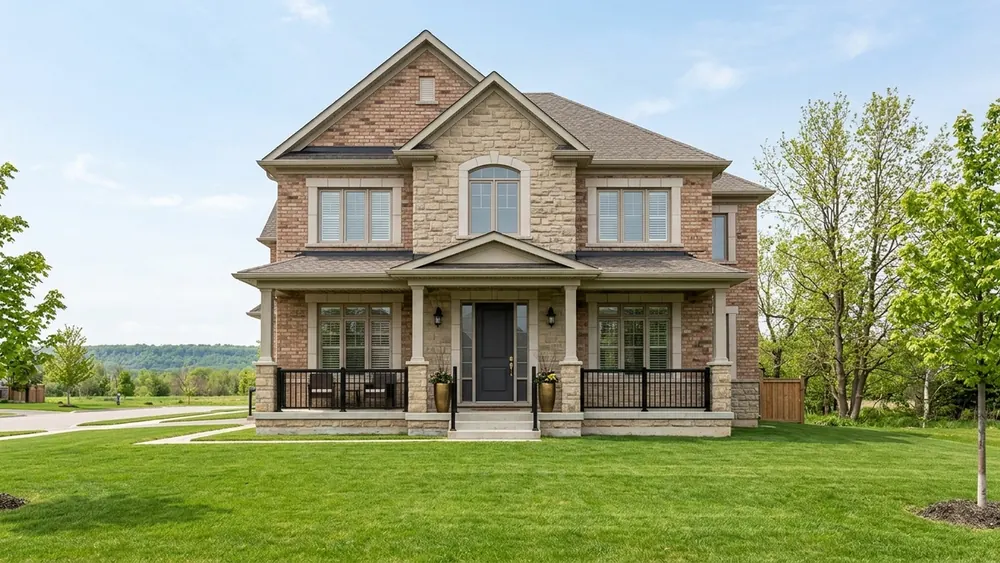
Either town can be the right fit, depending on what more space means for your household. Compare Milton and Burlington on the home types available, your daily commute, the schools you’d weigh and your budget, not on rankings.
On this page
It depends on what more space means
Milton or Burlington can each be the right fit for more space, and the honest answer is that it depends on your household rather than on either town. Start by defining what more space actually means for you: more bedrooms, a larger yard, a home office, room for a relative, or simply less crowding. Then compare both towns against that definition, not against anyone’s general opinion.
This matters because a general opinion about a town tells you very little about whether a particular home will work for your family. Two households can look at the same street and reach opposite conclusions, because their routines, budgets and priorities are different. Comparing on your own list keeps the decision grounded in your life, and it keeps the tradeoffs visible from the start. A home that suits a neighbour may not suit you at all.
It also matters because many upsizers who live in Oakville start the search close to home, then widen it across the West GTA as they see what’s available. Adding Milton and Burlington to the comparison is a natural step in that process. Let’s map out your move, step by step, so that widening the search feels organized and deliberate instead of rushed or confusing.
Define your space needs before comparing towns
Before you compare towns, write a short list of what your next home must have and what would be nice to have. Must haves might include a certain number of bedrooms, a main floor room for a parent, or a separate space for working from home. Nice to haves are the features you would trade away for the right location or layout. Keeping the two lists separate makes every viewing easier to judge.
Next, think about how you will use the space over time. A household planning for a new baby, teenagers who need their own rooms, or an older relative moving in may need a different layout than the square footage alone suggests. The type of home matters too, whether you are drawn to a detached home, a semi, a townhouse or something else entirely.
Finally, set a monthly cost you are comfortable with, after a conversation with a qualified lender. More space usually comes with more upkeep and higher carrying costs, so the right fit is a home you can enjoy without strain. With these points written down, comparing both towns becomes a matter of checking real homes against a clear list, rather than reacting to whatever appears.
How to compare both towns fairly
Compare the towns on the same factors for each: the types of homes available, how your daily commute would work, the schools your household may want to weigh, and how each option fits your budget. Set rankings and reputations aside. Instead, look at actual homes that meet your list, and notice where each town gives you what you need and where it asks you to compromise.
Visit at different times of day and on different days of the week. Travel the routes your household would actually use for work, school and errands, and see how they feel to you. What works on a weekend afternoon may feel different on a weekday morning. Your own experience of each place is more useful than any summary someone else can give you.
For questions about future plans for an area, such as new construction, roads or rules about what can be built, go to the source. The Town of Milton and the City of Burlington can tell you what applies to a particular property. Malena can help you organize those questions and compare homes side by side, without guessing at what may happen next. Rules can differ from one municipality to the next, so ask each one directly.
Questions to ask on every viewing
When you tour homes in either town, use the same short set of questions each time. Asking consistently makes it much easier to compare a home you saw in one town with a home you saw in the other, especially after a long day of viewings. Consider writing your answers down on the spot, before the details start to blur together:
- Does this home meet every item on your must have list
- How would your weekday routine work from this home, start to finish
- Which features would you need to add, change or live without here
- What questions does this home raise for a lender, a lawyer or a qualified home inspector
After each viewing day, compare your notes while they are fresh. Patterns often appear quickly: you may find that one town keeps meeting your list while the other keeps requiring compromises, or that the choice comes down to a single factor such as layout or commute. Either way, the decision becomes clearer when it rests on what you saw rather than on assumptions.
A side by side comparison worksheet
A simple worksheet can keep your comparison organized. The table below lists questions worth answering for both towns, why each one matters to an upsizing household, and who can help you answer it. Use it as a starting point and add any rows that reflect your own priorities, such as space for hobbies, a home business or extended family who visit often.
| Question | Why it matters | Who to ask |
|---|---|---|
| Which home types fit our list? | Layout shapes how the extra space really works | Malena, on the real estate side |
| How would our daily commute work? | Routines affect every single weekday | Your own test runs at different times |
| What monthly cost feels comfortable? | More space often brings higher carrying costs | A qualified lender |
| What rules apply to this property? | Future changes may depend on local rules | The Town of Milton or the City of Burlington |
| What condition is the home in? | Repairs can change the real cost of space | A qualified home inspector |
Fill in the worksheet for each home that makes your shortlist, not just for each town. Two homes in the same town can differ more than two homes in different towns, so the comparison is clearest at the level of real properties. Keep the completed worksheets together and bring them to your next planning conversation, so the discussion starts from facts you gathered yourself.
How your current home affects the choice
If you already own a home in the West GTA, it is part of this decision. Whether you sell first or buy first will affect how much time you have to compare towns and how confident you can be when you make an offer. A plan that links the sale and the purchase gives you room to compare carefully instead of under pressure. Talk through that choice early, before you start touring in earnest.
It also helps to be realistic about preparing your current home for sale while you search. Repairs, decluttering and showings take energy, and so does touring homes in two towns. Building one calendar that covers both your sale and your search keeps the whole move manageable. Questions about bridge financing, closing dates or tax belong with a qualified lender, a real estate lawyer and a tax professional.
Your next step toward more space
Before your first planning conversation, gather a few things so the discussion can move quickly from general questions to your actual options. You don’t need everything finished, and nothing here commits you to a decision. Having these points written down simply makes it easier to weigh each town against your household’s needs, and to decide what to look at first:
- Your written list of must haves and nice to haves for the next home
- Notes from your conversation with a qualified lender about a comfortable monthly cost
- Any fixed dates, such as a school routine, a job start or a lease ending
- Questions you want answered by the municipality, a lawyer or a home inspector
When you’re ready, bring that list to a conversation with Malena Contreras Salazar, in English or Spanish. You can talk through how each town lines up with your needs, which homes are worth a closer look, and how to sequence your sale and your purchase. There’s no pressure and no rush. The goal is a clear plan for finding more space in the West GTA.
This article is general information about moving in Oakville, the West GTA and Hamilton. It is not legal, tax, estate, lending, zoning, immigration or inspection advice and does not predict prices or promise results. Confirm financing with a qualified lender, legal documents with a lawyer, tax and estate questions with qualified professionals, zoning and permits with your municipality, and property condition with a qualified home inspector. Malena Contreras Salazar, Real Broker Ontario Ltd., Brokerage.

Written by