Downsizers
Where do Oakville downsizers move?
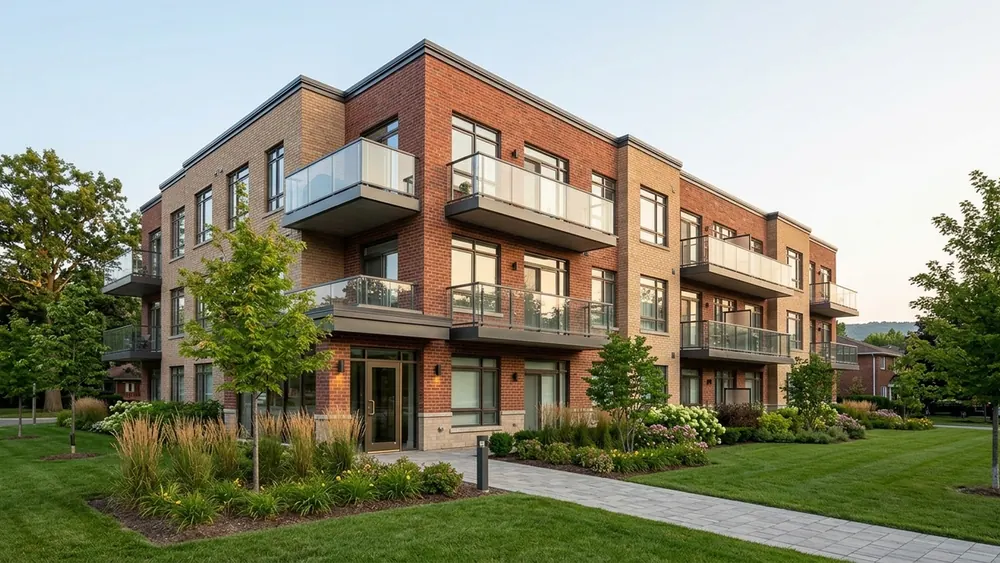
Oakville downsizers look in many directions: a smaller home in Oakville, or a move to Burlington, Milton, Mississauga or Hamilton. The right choice comes from your own priorities, the type of home you want and how close you want to stay.
On this page
There is no single answer, and that helps
Oakville downsizers do not all move to the same place. Some stay in Oakville and simply change the type of home. Others look across the West GTA, in Burlington, Milton or Mississauga, and some consider Hamilton. The honest answer to where downsizers move is wherever their own priorities point, and the most useful step is to work out those priorities before you start comparing areas or homes. Once you know what you want, the list of places worth visiting usually shrinks on its own.
That might sound less satisfying than a list of recommended places, but it protects you from a common mistake: choosing an area because it worked for someone else. A friend’s move tells you what mattered to them, not what matters to you. Starting from your own reasons for moving keeps the search focused, and it makes the eventual decision feel like yours rather than a guess shaped by other people’s stories.
This matters because downsizing is usually a long-term decision. You may plan to stay in the next home for many years, and the choice affects how close you are to family, friends, health care and the routines you value. Taking time to define what you want now saves time later, because every home you visit can be measured against the same clear list. It also makes conversations with family members simpler, because everyone can see the same priorities in writing.
Start with why you are moving
Every downsizing move begins with a reason, and that reason often shapes the destination more than anything else. Some people want less upkeep and fewer stairs. Some want to free up equity, which is a question to explore with a tax professional and a lender. Some want to be nearer to family. Others simply want a home that fits the way they live now, rather than the way they lived when the household was larger.
Write your reasons down and rank them. If staying near a particular person or routine is at the top, your search area may already be small. If the type of home matters most, such as a bungalow, a townhouse or a condo, you may be open to a wider area. Ranking your reasons turns a broad question into a narrower one, which is far easier to plan around.
It also helps to separate needs from preferences. A need is something the next home must have, such as main floor living or space for visiting family. A preference is something you would enjoy but could live without. When you know which is which, you can compare homes in different areas fairly, and you are less likely to rule out a good option over something that was never essential.
Staying in Oakville or looking further
Many downsizers begin by asking whether they can stay in Oakville. For some, that means a smaller home in the same part of town, close to their current routines. For others, it means a different type of home elsewhere in Oakville. Staying put can make the move feel smaller, because daily life changes less, even when the home itself changes a great deal. Some households find that a familiar area makes the emotional side of downsizing easier to manage.
Looking further, to Burlington, Milton, Mississauga or Hamilton, opens up more choices, but it also means learning a new area before you decide. That is not a reason to avoid it. It simply means building time into your plan to visit, look around and get comfortable. A reliable way to judge an area is to spend real time there, at different times of day, and see how it fits your routine.
Whichever direction you lean, avoid deciding from a map alone. An area that looks close on paper may not feel close once you think about the trips you make each week. Ask yourself where you go most often, and which places you want to stay near, then test each area you are considering against that list in person. Your own habits are a far clearer guide than any general impression of an area.
Questions that narrow the search
A short set of questions can turn a wide search into a focused one. You do not need perfect answers to start. Even rough answers will help you decide which areas and home types are worth visiting first, and which ones can wait. Try working through these together with anyone else who is part of the decision: Write the answers down so you can look back at them as the search goes on.
- Which people, places and routines do we want to stay close to after the move
- What type of home fits how we want to live, now and in the years ahead
- Which features are true needs, such as main floor living or less outdoor upkeep
- How comfortable are we learning a new area compared with staying in a familiar one
Once you have answers, the search usually becomes clearer. You may find that only one or two areas truly fit, or that the type of home matters more than the location. Either result is useful. It means the homes you visit are chosen on purpose, and you spend your energy on options that match what you actually want from the next chapter. It also makes later decisions faster, because you are not reopening the same questions each time.
Matching questions to the right people
Choosing where to move involves more than the home itself, and different questions belong with different people. Keeping those roles clear saves time and avoids confusion. The table below sets out some common downsizing questions, why each one matters and who is well placed to answer it. Use it as a starting point, and add your own questions as they come up during the planning.
| Question | Why it matters | Who to ask |
|---|---|---|
| What type of home and area fit our plans | Shapes the whole search and the timeline | Malena, on the real estate side |
| How should we order buying and selling | Affects whether you face a gap or overlap | Malena and a qualified lender |
| What are the tax effects of selling | Can change how much you have to work with | A tax professional |
| Do our will or estate plans need review | Protects your wishes after the move | An estate professional or a lawyer |
| Can we change or add to a home | Rules differ by property and municipality | The municipality where the home sits |
Bringing the right question to the right person early keeps surprises to a minimum. Malena Contreras Salazar can help with the real estate side, including how to compare homes and areas, and can help you plan when to book the other conversations so they line up with the rest of your timeline. That way, no single question holds up the whole move at the last minute.
Thinking about the years ahead
A downsizing move is a chance to plan for how you want to live in the future, not just next year. Think about whether the next home will still suit you if your needs change. Features such as fewer stairs, manageable outdoor space and easy access to the places you visit often can matter more over time. These are personal questions, and only you can weigh them.
Housing options across the GTA are also changing, including new kinds of homes being approved in some areas. If that interests you, ask the municipality how its rules might apply to a property you are considering. It is worth understanding what is possible without assuming any particular change will happen. A clear view of your options today is a much firmer base for a decision than a guess about tomorrow.
Your next step toward a clear plan
Before a first conversation, spend some time writing down the basics. These notes do not need to be polished. They give you and anyone helping you a shared starting point, and they make it easier to compare areas and homes on the things that matter most to you. A good starting list includes: Keep adding to it as your thinking develops.
- Your top reasons for moving, ranked from most to least important
- The areas you would consider, including staying in Oakville or moving further
- The type of home you want and the features that are true needs
- Your questions for a lawyer, a tax professional, an estate professional or a lender
When you are ready, Malena can help you map out where to look and how to plan the move, step by step, in English or Spanish. You do not need to have decided anything yet. Bring your list and your questions, and you can work through the options together at a pace that suits you, with every outside question going to the right professional. The goal is a plan that feels clear and calm.
This article is general information about moving in Oakville, the West GTA and Hamilton. It is not legal, tax, estate, lending, zoning, immigration or inspection advice and does not predict prices or promise results. Confirm financing with a qualified lender, legal documents with a lawyer, tax and estate questions with qualified professionals, zoning and permits with your municipality, and property condition with a qualified home inspector. Malena Contreras Salazar, Real Broker Ontario Ltd., Brokerage.

Written by